
In the rapidly evolving world of industrial chemicals and lubricants, Bmk Oil CAS 20320-59-6 Processor stands out as a vital component for various manufacturing and processing industries. Whether you're in the automotive, aerospace, or manufacturing sector, understanding the intricacies of this specialized oil can significantly enhance your operational efficiency and product quality. In this comprehensive guide, we delve deep into what Bmk Oil CAS 20320-59-6 Processor is, its applications, benefits, safety considerations, and how to source it reliably.
What Is Bmk Oil CAS 20320-59-6 Processor?
Bmk Oil CAS 20320-59-6 Processor is a specialized industrial lubricant and processing aid used in a variety of manufacturing processes. The CAS (Chemical Abstracts Service) number 20320-59-6 uniquely identifies this chemical compound, ensuring precise communication and sourcing within the industry.
This oil is renowned for its excellent viscosity stability, thermal resistance, and compatibility with a broad range of materials. It is typically used as a processing agent in the production of polymers, plastics, and synthetic materials, ensuring smooth operation, enhanced product quality, and reduced equipment wear.
Chemical Composition and Characteristics
While proprietary formulations vary among manufacturers, Bmk Oil CAS 20320-59-6 Processor generally comprises refined hydrocarbon derivatives designed for high-performance applications. Its key characteristics include:
- High thermal stability: Resists breakdown at elevated temperatures.
- Chemical compatibility: Suitable for use with various plastics, rubbers, and metal surfaces.
- Lubrication efficiency: Reduces friction and wear in machinery.
- Corrosion resistance: Protects equipment from rust and corrosion.
Applications of CAS 20320-59-6
The versatility of Bmk Oil CAS 20320-59-6 Processor makes it an indispensable component across multiple industries. Here are some of its primary applications:
1. Polymer and Plastic Processing
In the production of plastics and polymers, Bmk Oil acts as a processing aid, facilitating the extrusion, molding, and compounding processes. It improves flow properties, reduces defects, and enhances the final product’s mechanical properties.
2. Synthetic Rubber Manufacturing
In rubber production, this oil helps in controlling viscosity and improving the mixing process, resulting in higher-quality rubber products with better durability.
3. Metalworking and Machinery Lubrication
The oil's excellent lubrication properties make it suitable for use in metalworking operations, reducing friction and preventing wear on machinery components.
4. Aerospace and Automotive Industries
In high-performance applications such as aerospace and automotive manufacturing, Bmk Oil ensures that components are processed with precision, maintaining integrity under extreme conditions.
5. Chemical Industry
As a processing agent in chemical synthesis, it aids in stabilizing reactions and improving process efficiency.
Benefits of Using Bmk Oil Processor
Choosing the right processing oil can make a significant difference in production outcomes. Here are some of the key benefits of utilizing Bmk Oil CAS 20320-59-6 Processor:
1. Enhanced Equipment Longevity
Its lubricating properties reduce wear and tear on processing machinery, leading to longer equipment lifespan and lower maintenance costs.
2. Improved Product Quality
By ensuring consistent processing conditions, Bmk Oil helps produce high-quality end products with superior physical and chemical characteristics.
3. Thermal Stability
Its ability to withstand high temperatures without degradation makes it suitable for demanding industrial processes, reducing the risk of process interruptions. Phenylacetic Acid CAS 103-82-2
4. Cost Efficiency
Effective lubrication and processing aid properties lead to reduced energy consumption and lower raw material waste.
5. Environmental Compatibility
Most formulations of Bmk Oil CAS 20320-59-6 Processor are designed to be environmentally friendly, with low volatility and minimal emissions during use.
Safety and Handling of Bmk Oil
While Bmk Oil is generally considered safe when handled properly, it is essential to follow safety guidelines to prevent accidents or health issues:
- Personal Protective Equipment (PPE): Always wear gloves, safety glasses, and protective clothing when handling the oil.
- Storage: Store in a cool, dry place away from direct sunlight and incompatible materials.
- Spill Management: In case of spills, contain and clean up using inert absorbent materials, following environmental regulations.
- Disposal: Dispose of waste oil according to local environmental laws to prevent contamination.
How to Source High-Quality Bmk Oil CAS 20320-59-6 Processor
Reliable sourcing is critical to ensuring product efficacy and safety. Here are some tips for obtaining high-quality Bmk Oil CAS 20320-59-6 Processor:
1. Choose Reputable Suppliers
Partner with established suppliers like BMK Oil Supplier, which specialize in industrial lubricants and processing aids. Their products are tested for purity and performance.
2. Verify Product Certifications
Ensure the product comes with relevant certifications such as ISO, REACH compliance, or other industry standards.
3. Request Technical Data Sheets
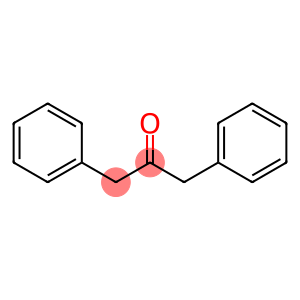
Obtain detailed technical specifications and safety data sheets (SDS) to understand the product’s properties and handling requirements. Phenylacetone
4. Consider Custom Formulations
Some manufacturers offer tailored formulations to meet specific processing needs, enhancing compatibility and performance.
5. Evaluate Pricing and Delivery
Balance cost considerations with quality assurance and delivery timelines to ensure a smooth procurement process.
Environmental and Regulatory Considerations
As industries move toward sustainable practices, understanding the environmental impact of Bmk Oil CAS 20320-59-6 Processor is essential. Always select formulations that adhere to environmental regulations and are biodegradable where possible.
Compliance with international standards like REACH, OSHA, and EPA regulations ensures safe and responsible use of this chemical in your operations.
Future Trends and Innovations
The chemical processing industry continually evolves, with emerging trends including:
- Green Alternatives: Development of bio-based or biodegradable processing aids.
- Enhanced Thermal Stability: Innovations to improve performance at even higher temperatures.
- Nano-additives: Incorporation of nanomaterials to boost lubrication and processing capabilities.
- Digital Monitoring: Use of IoT devices for real-time monitoring of lubricant condition and performance.
Staying updated with these trends can help industries optimize their use of Bmk Oil CAS 20320-59-6 Processor and related products.
Conclusion
Bmk Oil CAS 20320-59-6 Processor is a crucial component in modern manufacturing and processing industries. Its exceptional properties—ranging from thermal stability to lubrication efficiency—make it an invaluable asset for producing high-quality products, extending equipment life, and reducing operational costs.
Whether you're involved in polymer production, metalworking, or aerospace manufacturing, sourcing high-quality Bmk Oil from reputable suppliers is paramount. By understanding its applications, benefits, and safety considerations, you can leverage this powerful processing aid to enhance your industrial processes.
For reliable sourcing of Bmk Oil CAS 20320-59-6 Processor, visit BMK Oil Supplier to explore their premium product offerings and technical support.
Disclaimer: Always follow safety guidelines and consult with industry experts before integrating new chemicals into your manufacturing processes.


.jpg)

.jpg)

