
Dibenzyl Ketone (1,3-Diphenylacetone)
In the realm of organic chemistry and industrial applications, certain compounds stand out due to their unique structure, versatility, and utility. One such compound is Dibenzyl Ketone, also known as 1,3-Diphenylacetone. This organic compound plays a crucial role in various chemical syntheses, pharmaceutical manufacturing, and specialty chemical production.
If you're a researcher, chemist, or industry professional seeking in-depth knowledge about Dibenzyl Ketone, this detailed guide will provide you with everything you need to know—from its chemical properties and synthesis methods to its applications and importance in the global chemical industry. Synthesis Of P2P
What Is Dibenzyl Ketone (1,3-Diphenylacetone)?
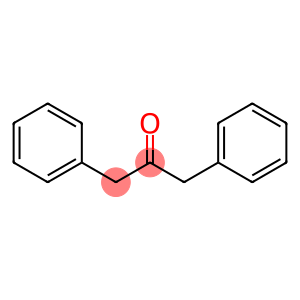
Dibenzyl Ketone, with the molecular formula C17H14O, is an aromatic ketone characterized by two phenyl groups attached to a central acetone backbone. Its systematic IUPAC name is 1,3-diphenylacetone.
Structural Overview
The structure of Dibenzyl Ketone features:
- A central acetone (propanone) core
- Two phenyl groups attached at the 1st and 3rd positions
This configuration imparts unique chemical reactivity and stability, making it valuable in various chemical reactions.
Synonyms and Common Names
- Dibenzyl Ketone
- 1 3-Diphenylacetone
- Benzylacetophenone
CAS Registry Number
The CAS number for Dibenzyl Ketone is 101-81-5.
Chemical Properties of Dibenzyl Ketone
Understanding the chemical properties of Dibenzyl Ketone is essential for its handling, processing, and application.
Synonyms: Dibenzyl Ketone, 1 3-Diphenylacetone, Diphenylacetone, 1,3-diphenyl-2-propanone, benzyl ketone, 2-propanone, 1,3-diphenyl, 1,3-diphenylpropanone, alpha,alpha'-diphenylacetone, 1,3-diphenyl-propan-2-one, unii-9y07g5udkq, fema no. 2397
| Property | Description |
|---|---|
| Molecular Formula | C17H14O |
| Molecular Weight | 226.29 g/mol |
| Melting Point | Approximately 71-73°C |
| Boiling Point | Around 300°C (decomposes before boiling) |
| Appearance | Pale yellow crystalline solid |
| Solubility | Slightly soluble in water; soluble in organic solvents like ethanol, acetone, benzene |
Chemical Reactivity
Dibenzyl Ketone exhibits typical reactivity of aromatic ketones, including:
These reactivities make it a versatile intermediate in organic synthesis.
Synthesis of Dibenzyl Ketone
The synthesis of Dibenzyl Ketone can be achieved through various methods, with the benzoin condensation being one of the most common.
1. Benzoin Condensation Method
This route involves the condensation of benzaldehyde derivatives in the presence of a base or catalyst. The general steps include:
- Formation of benzoin via benzaldehyde condensation
- Oxidation or rearrangement to produce Dibenzyl Ketone
2. Friedel-Crafts Acylation
Another method involves the acylation of diphenylmethane derivatives using acyl chlorides or anhydrides under Friedel-Crafts conditions.
3. Industrial Synthesis
In large-scale manufacturing, Dibenzyl Ketone is typically synthesized via catalytic processes optimized for yield and purity, often involving controlled oxidation and condensation steps.
Sources and Raw Materials
The primary raw materials include benzaldehyde and acetone derivatives, readily available from chemical suppliers. For instance, the reputable supplier BMK Oil provides high-quality Dibenzyl Ketone suitable for industrial and research purposes.
Applications of Dibenzyl Ketone
The significance of Dibenzyl Ketone spans across multiple sectors. Its applications include:
1. Pharmaceutical Industry
- Intermediate in drug synthesis: Dibenzyl Ketone serves as a precursor in the synthesis of pharmaceuticals like anti-inflammatory agents, hypnotics, and anticonvulsants.
- Chiral synthesis: Its derivatives are used in asymmetric synthesis processes.
2. Organic Synthesis and Chemical Research
- Building block: Used in the synthesis of complex organic molecules.
- Reactions involving enolate chemistry: Its ability to form stable enolates makes it valuable in various reactions.
3. Specialty Chemicals
- Dyes and pigments: Utilized in the manufacture of certain dyes.
- Fragrance industry: As a precursor to aromatic compounds used in perfumes.
4. Material Science
- Polymer industry: Incorporated into polymeric materials for specific properties.
5. Research and Development
- Used extensively in academic and industrial research to develop novel compounds and reaction pathways.
Benefits and Advantages of Using Dibenzyl Ketone
- High purity and stability when sourced from reputable suppliers like BMK Oil.
- Versatility in organic reactions.
- Availability in bulk quantities for industrial use.
- Facilitates complex syntheses in pharmaceutical and chemical manufacturing.
Handling, Storage, and Safety Considerations
Proper handling of Dibenzyl Ketone ensures safety and maintains its quality:
- Storage: Keep in a cool, dry place in airtight containers.
- Handling: Use appropriate personal protective equipment (PPE), including gloves and goggles.
- Safety: Avoid inhalation or ingestion. In case of contact, rinse with plenty of water and seek medical attention if necessary.
Refer to the Material Safety Data Sheet (MSDS) provided by suppliers for detailed safety protocols.
Why Choose High-Quality Dibenzyl Ketone from BMK Oil?
When sourcing Dibenzyl Ketone, purity and consistency are paramount. BMK Oil offers:
- Premium quality Dibenzyl Ketone with high purity standards.
- Competitive pricing for large-scale procurement.
- Reliable supply chain ensuring timely delivery.
- Expert support for technical inquiries and custom formulations.
Visit BMK Oil to explore their product range and request quotations.
Future Trends and Developments
The demand for Dibenzyl Ketone is expected to grow alongside advancements in pharmaceuticals, organic chemistry, and material science. Emerging research focuses on:
- Developing more sustainable and eco-friendly synthesis routes.
- Exploring new derivative compounds for specialized applications.
- Enhancing process efficiency for large-scale manufacturing.
Conclusion
Dibenzyl Ketone (1 3-Diphenylacetone) remains a cornerstone compound in organic chemistry and industrial applications. Its unique structure, reactivity, and versatility make it invaluable for synthesizing pharmaceuticals, specialty chemicals, and research compounds.
For chemists and industry professionals seeking reliable sources, high-quality Dibenzyl Ketone from trusted suppliers like BMK Oil ensures optimal results and consistent performance.
Embrace the potential of Dibenzyl Ketone in your next project—unlock new possibilities in chemical synthesis and innovation.
References
- BMK Oil - Dibenzyl Ketone Supplier
- Chemical Abstracts Service (CAS) Registry
- Organic Chemistry Textbooks and Journals
Disclaimer: Always adhere to safety guidelines and consult technical datasheets before handling chemicals.


.jpg)

